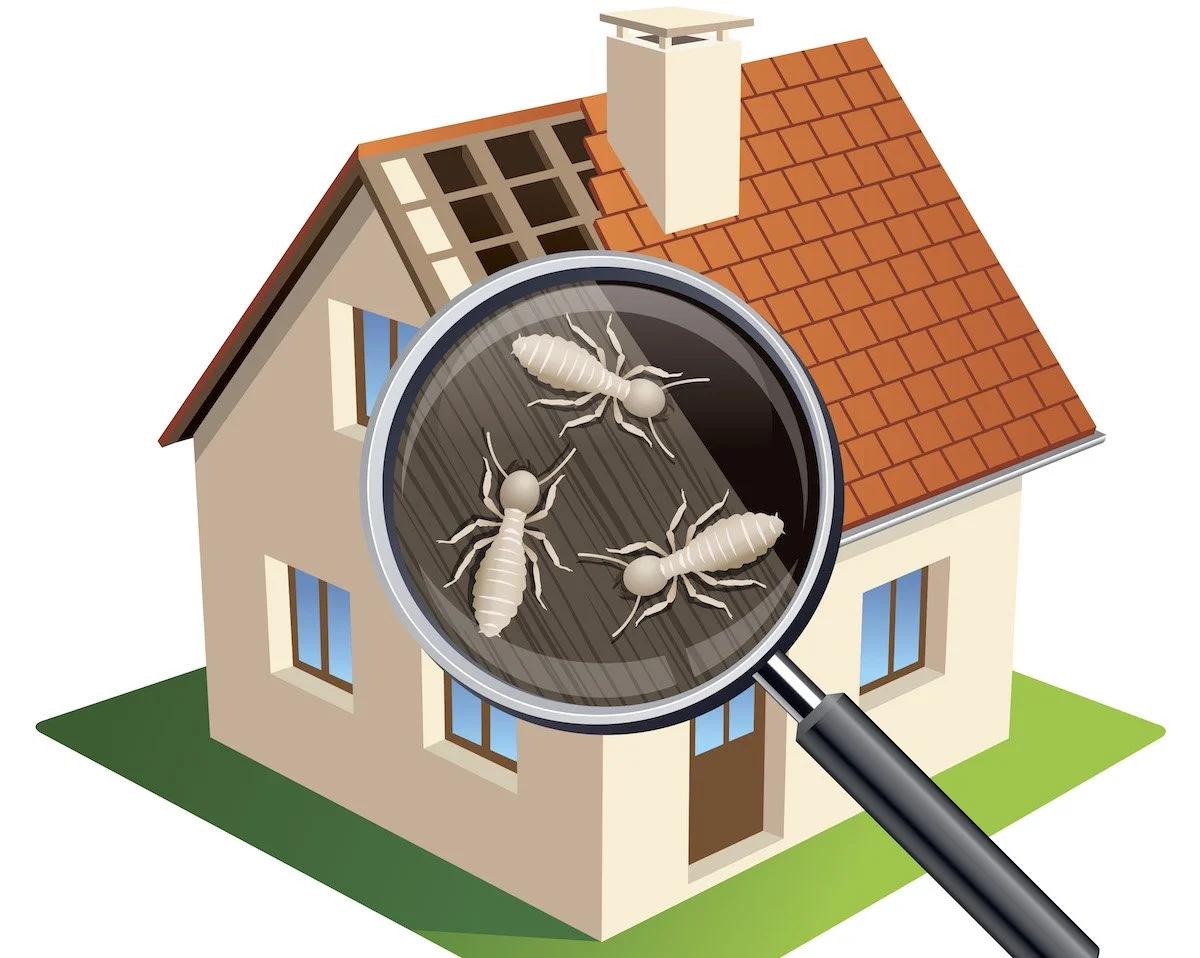
If you suspect termites, the most important step is a proper inspection.
But most homeowners don’t know what inspectors actually look for.
👉 Understanding this helps you identify early problems—and avoid costly damage.
Types of Termites in California (Drywood, Subterranean & More)
🔍 What a Termite Inspection Really Covers
A termite inspection is a full structural check of your home, not just a surface review.
👉 The goal is to find:
- Entry points
- Hidden activity
- Conditions that attract termites
🏠 1. Foundation & Exterior Areas


Inspectors examine:
- Foundation walls
- Mud tubes (small dirt tunnels)
- Cracks and gaps
- Soil-to-wood contact
👉 This is where termites most commonly enter the home
🪵 2. Wood Structures & Surfaces


They check:
- Wooden beams
- Baseboards
- Window and door frames
👉 Looking for:
- Hollow sounds
- Soft or damaged wood
- Surface cracks
👉 Termites eat wood from the inside, so damage may not be obvious
🕳️ 3. Crawl Space & Subfloor Areas


This is one of the most critical areas.
Inspectors check:
- Moisture levels
- Wood condition
- Ventilation
👉 Most infestations begin here without being noticed
🏚️ 4. Attic & Roof Framing


They inspect:
- Roof beams
- Rafters
- Ventilation
👉 Drywood termites often live in these upper areas
💧 5. Moisture & Leak Sources


Inspectors identify:
- Plumbing leaks
- Water stains
- High humidity areas
👉 Moisture is the #1 condition that attracts termites and mold
🐜 6. Active Termite Evidence


7
They look for:
- Droppings (frass)
- Discarded wings
- Mud tubes
- Visible termite activity
👉 These confirm an active infestation
⚠️ What Most Homeowners Miss
👉 Termites are hidden pests.
Common hidden areas include:
- Inside walls
- Under flooring
- Behind insulation
👉 Visible damage is often only 10–20% of the real problem
🚨 Why Professional Inspection Matters
DIY checks often miss:
- Early infestations
- Structural damage
- Moisture problems
👉 A professional inspection identifies the root cause, not just symptoms
🔗 Not Sure If You Have Termites?
👉 Click here to check the warning signs →
💰 What Happens After Inspection?
After inspection, you typically receive:
- Detailed findings report
- Risk assessment
- Treatment recommendations
- Cost estimate
👉 This helps you make the right decision
📞 Schedule Your Inspection
If you notice any signs, don’t wait.
👉 Most termite problems are worse than they appear.
📞 Call 949-468-8860 now to schedule your inspection.